
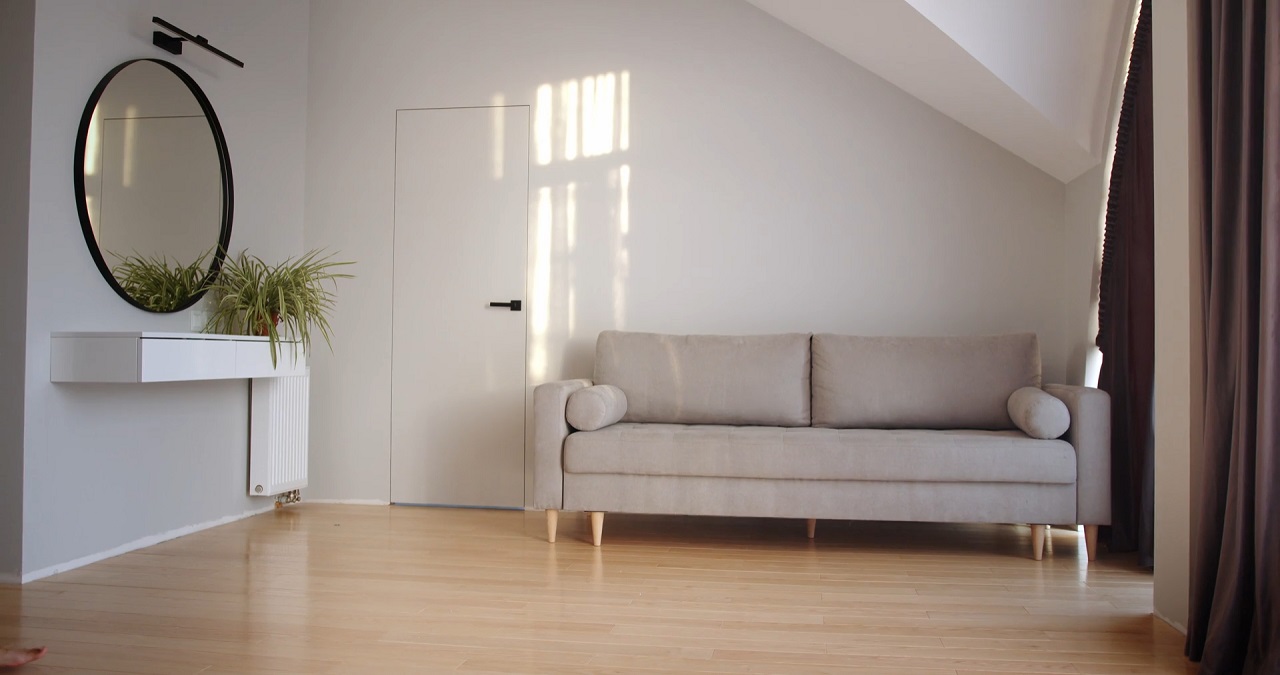
Small rooms bring clear limits. Walls sit closer, furniture fills space faster, and light has less room to move. Interior decorating in that setting depends on restraint and smart choices rather than decoration volume.
Color, texture, layout, and materials shape how large or tight a room feels at first glance.
With the right approach, even compact interiors can feel open, balanced, and comfortable without structural changes.
Use Light And Neutral Colors
Light colors help small rooms feel more open because edges soften and surfaces blend. Walls, ceilings, and large furniture pieces set the tone, so keep the biggest areas calm and consistent.
Warm whites, soft beige, light gray, and pale taupe usually work well in compact interiors because they keep brightness without feeling cold.
Pick One Base Tone And Repeat It
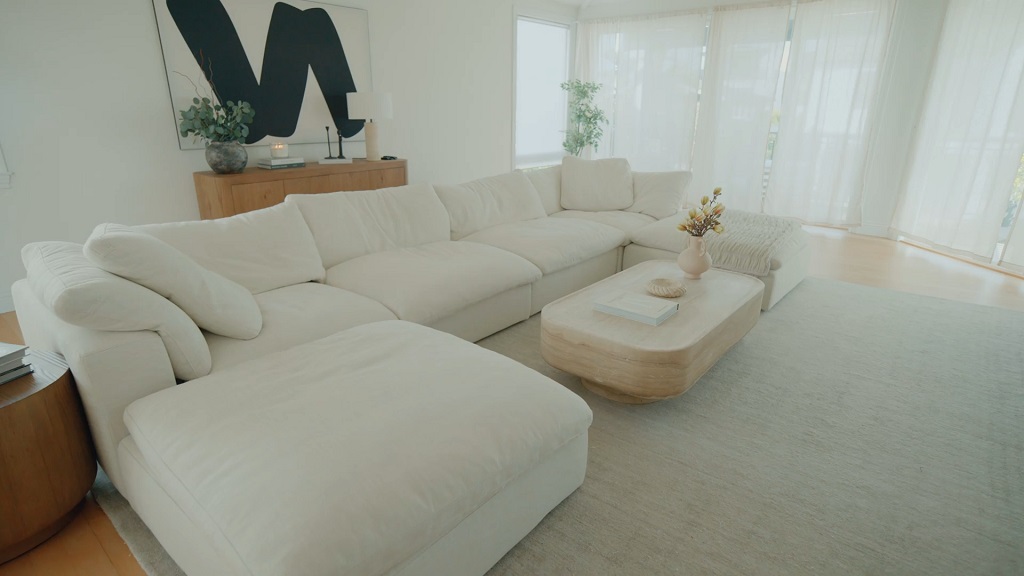
Choose one main neutral and repeat it on walls, trim, and larger items. Repetition reduces visual breaks, so the room feels more continuous.
Small contrast still works, with a slightly deeper shade used for rugs, pillows, or one chair.
Keep The Ceiling Light To Lift The Room
A ceiling that stays lighter than the walls helps the room feel taller. Matte finishes reduce glare and look smoother in uneven light, which matters in smaller rooms with fewer windows.
Use Color For Depth, Not Noise
Add depth with texture rather than strong color shifts. Linen, boucle, light wood tones, and brushed metals introduce variety without chopping the space into pieces.
Add Brick Accents With One Feature Surface
Brick can add warmth and character, though too much texture in a small room can feel heavy.
The safest approach stays simple: use brick on one surface only, then keep everything around it clean and quiet.
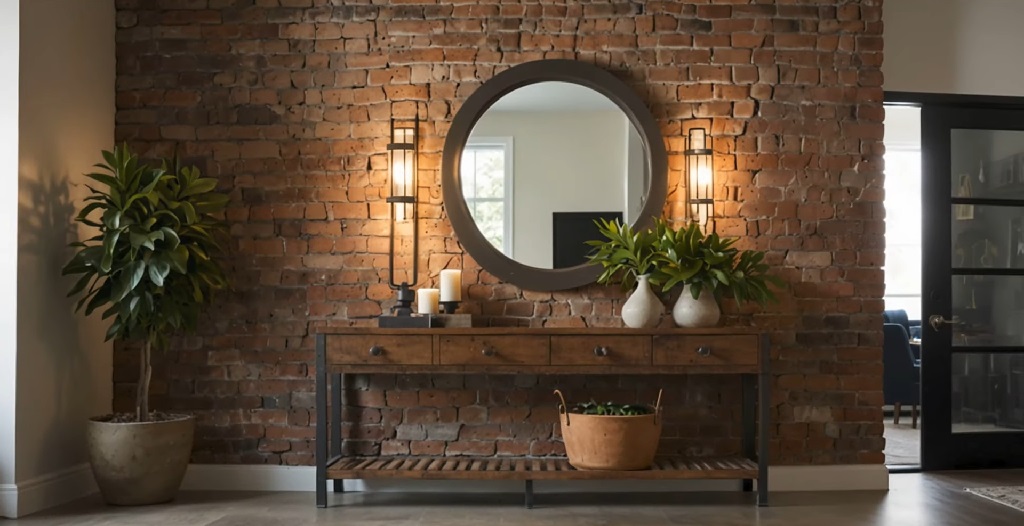
A single brick accent wall behind a sofa or bed can give structure without crowding the room.
Choose A Lighter Brick Finish
Whitewashed, sand toned, or light gray brick helps keep the room bright. Dark brick absorbs light and can pull the walls inward, so reserve it for spaces with strong daylight.
Use Brick In Small Doses
A half wall, a fireplace surround, or a recessed niche can deliver the brick look with less visual weight. Keep nearby decor minimal, since brick already brings a strong pattern.
Consider Brick Style Flooring With A Clean Layout
Flooring can replicate the brick look in a controlled manner when the pattern remains consistent, and the grout tone closely matches the brick color.
In compact spaces, thin brick flooring can work well when paired with plain walls and simple furniture lines, since the floor becomes the main texture and everything else stays calm.
Let Natural Light Lead
Natural light makes a small room feel bigger because shadows soften and corners become visible.
The goal stays straightforward: remove obstacles, bounce light deeper into the room, and avoid window treatments that block daylight.
Keep Window Treatments Light And Simple
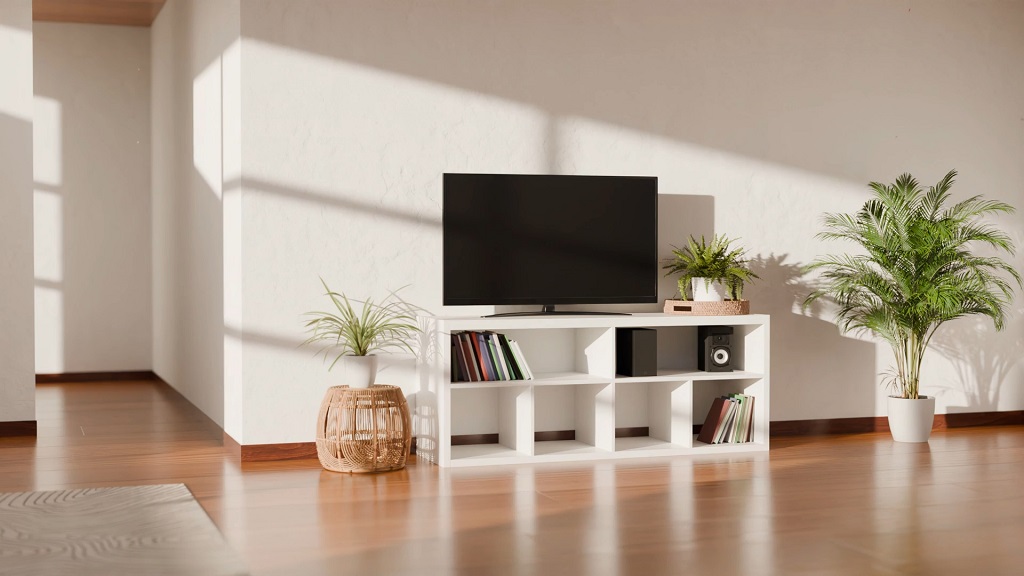
Sheer curtains, light filtering shades, or minimal blinds keep privacy without stealing brightness. Heavy drapes tend to shrink the window and make the wall feel heavier.
Place Reflective Surfaces Where Light Lands
Mirrors help, though glossy tiles, glass frames, and metallic accents can also spread light. Put reflective pieces where daylight naturally hits, so light travels further into the space.
Avoid Blocking The Window Zone
Keep tall storage and bulky furniture away from windows. A low bench, a small side table, or a slim chair usually works better near natural light because the glass stays visually open.
Pick Slim Profile Furniture
Small rooms need furniture that leaves breathing space around it. Slim arms, open legs, and low backs keep sightlines clear, so the room reads wider and calmer.
Scale matters more than style here. A compact sofa with clean lines usually beats an oversized sectional every time.
Measure With Walking Space In Mind
Aim for comfortable pathways, especially near doors and between seating. Keep clear routes so movement stays easy and the room feels organized rather than packed.
Choose Open Leg Designs To Show More Floor
Furniture raised on legs exposes more flooring, which makes the room feel larger. Closed bases and skirted sofas hide the floor and add visual bulk.
Use One Anchor Piece And Keep The Rest Light
Pick one main item, often a sofa or bed, then keep side tables, chairs, and storage visually lighter. Too many heavy pieces compete and shrink the space fast.
Build Up With Vertical Storage
Vertical storage uses wall height instead of precious floor area.
Tall shelving, wall-mounted cabinets, and hanging systems help keep items contained while drawing the eye upward, which supports a taller, more open feel.
Prioritize Closed Storage For Everyday Items
Closed cabinets or baskets hide daily clutter. Visual noise builds quickly in small rooms, so anything used often should have a clean place to disappear.
Use Wall-Mounted Options To Free The Floor
Floating shelves, wall desks, and mounted nightstands keep the floor clear and make cleaning easier.
A room with a more visible floor tends to feel larger.
Treat Corners As Storage Zones
Corner shelving and tall corner cabinets turn dead space into useful storage. Keep the depth modest so the corner stays functional instead of becoming a narrow obstacle.
Place Mirrors To Create Depth
Mirrors expand space by adding a second layer of visual depth and by spreading light. In small rooms, one well-placed large mirror usually beats several small mirrors, since tiny pieces can look busy.
Put Mirrors Opposite Windows Or Light Sources
A mirror facing a window can double the sense of daylight. Even when no window sits nearby, placing a mirror near a lamp can brighten darker areas.
Go Big Instead Of Busy
A full-length mirror, a large wall mirror, or a mirrored closet door creates a cleaner effect than a cluster of small frames. Larger mirrors read as architecture rather than decor.
Use Mirrored Surfaces Carefully
Mirrored furniture and glossy finishes can help, though too many reflective pieces may feel chaotic. Keep the reflection focused on simple views like a bright wall, artwork, or open space.
Keep Flooring Consistent
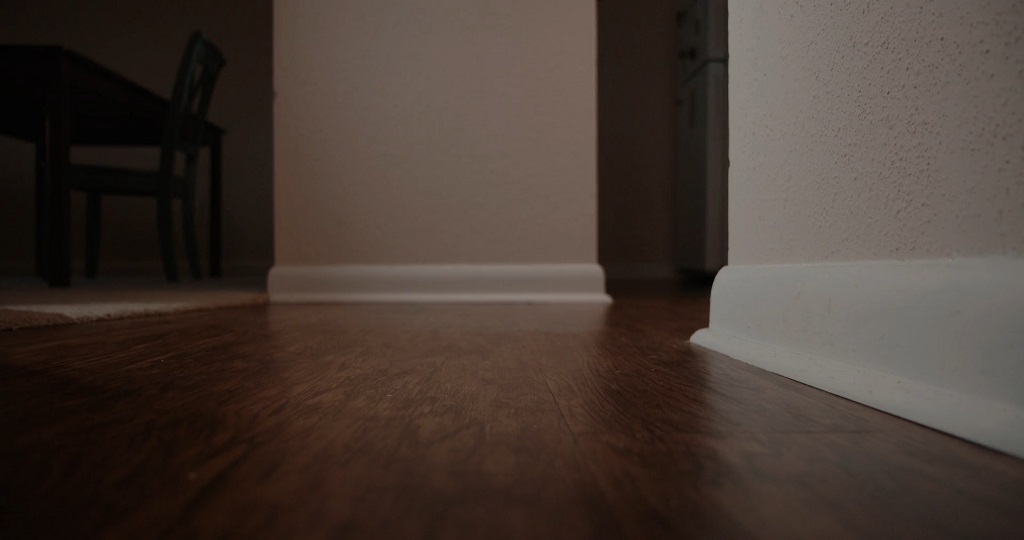
Flooring plays a major role in how large a space feels. When the floor changes from room to room, the eye stops and restarts, which makes areas feel smaller.
A single flooring material creates flow and makes the entire space read as one unit.
Use One Material In Adjacent Rooms
Open layouts benefit most from continuous flooring. Even in smaller apartments, carrying the same floor through hallways and living areas reduces visual breaks.
Keep Plank Direction Simple
Lay planks or tiles in a consistent direction, ideally aligned with the longest wall or main light source. This approach helps the room feel longer and more balanced.
Match Grout And Floor Tones
Grout that blends with the floor color keeps the pattern calm. High contrast grout draws attention to each tile and can crowd the space visually.
Reduce Visual Clutter
Clutter shrinks a room faster than any color or furniture choice. Small spaces benefit from fewer items that serve clear purposes. Every surface should have breathing room.
Limit Decorative Objects Per Surface
One or two objects per shelf or table usually works better than many small pieces. Grouping items helps them read as a single visual element.
Hide Cables And Small Accessories
Visible cords, remotes, and chargers add visual noise. Use cable management, trays, or drawers to keep them out of sight.
Keep Patterns Controlled
Too many patterns compete in a tight room. Stick to one main pattern and support it with solid colors and subtle textures.
Choose Multi-Functional Pieces
Furniture that serves more than one role reduces the total number of items in a room. Fewer pieces mean clearer sightlines and more usable space.
Look For Built In Storage
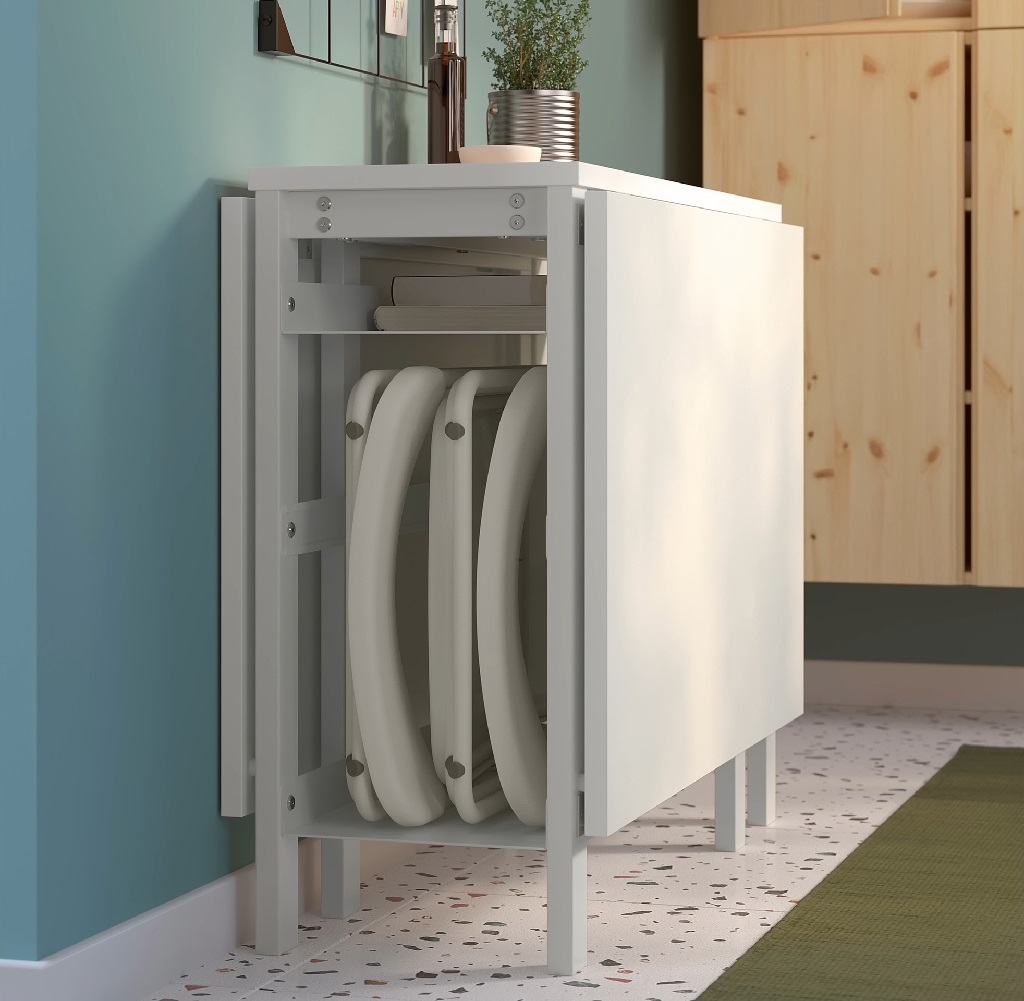
Ottomans with storage, beds with drawers, and benches with lift tops keep essentials hidden while staying functional.
Use Folding Or Nesting Furniture
Folding tables, nesting stools, and extendable desks adapt to daily needs without taking up permanent space.
Prioritize Daily Use First
Choose multi-functional items that support everyday routines. Avoid pieces that only solve rare situations, since they often become clutter.
Keep Sightlines Open
Open sightlines allow the eye to travel freely, which makes a room feel larger. Visual barriers break that flow and compress the space.
Avoid Blocking Key Views
Keep tall furniture away from entry points and main windows. Let the first view into the room stay as open as possible.
Use Low Or Transparent Dividers
Low shelving, glass partitions, or open bookcases define zones without closing them off.
Align Furniture With Room Geometry
Place furniture parallel to walls and major architectural lines. Clean alignment keeps the layout readable and the space easier to understand at a glance.
Last Words
When light, materials, and layout work together, a room stops feeling constrained and starts feeling intentional.
Careful choices around color, texture, and scale can reshape how a space reads day to day, even without renovation.